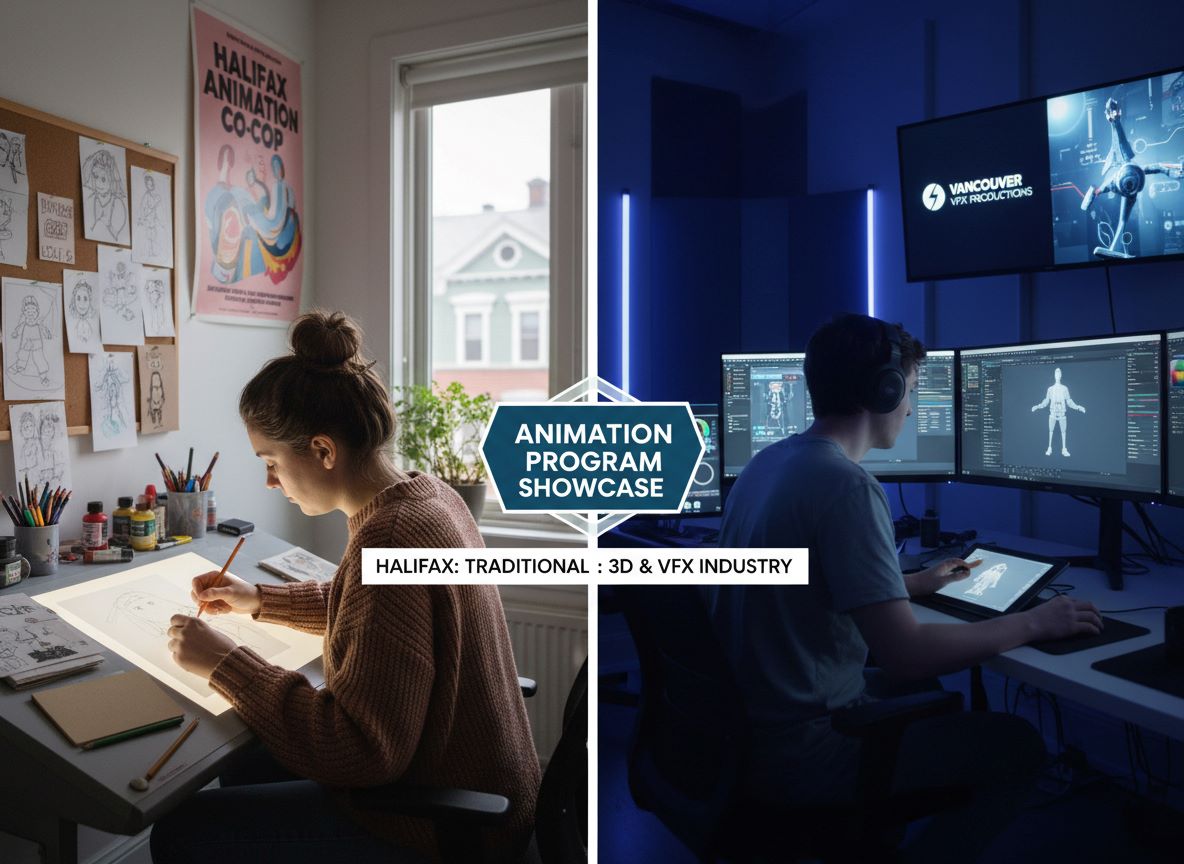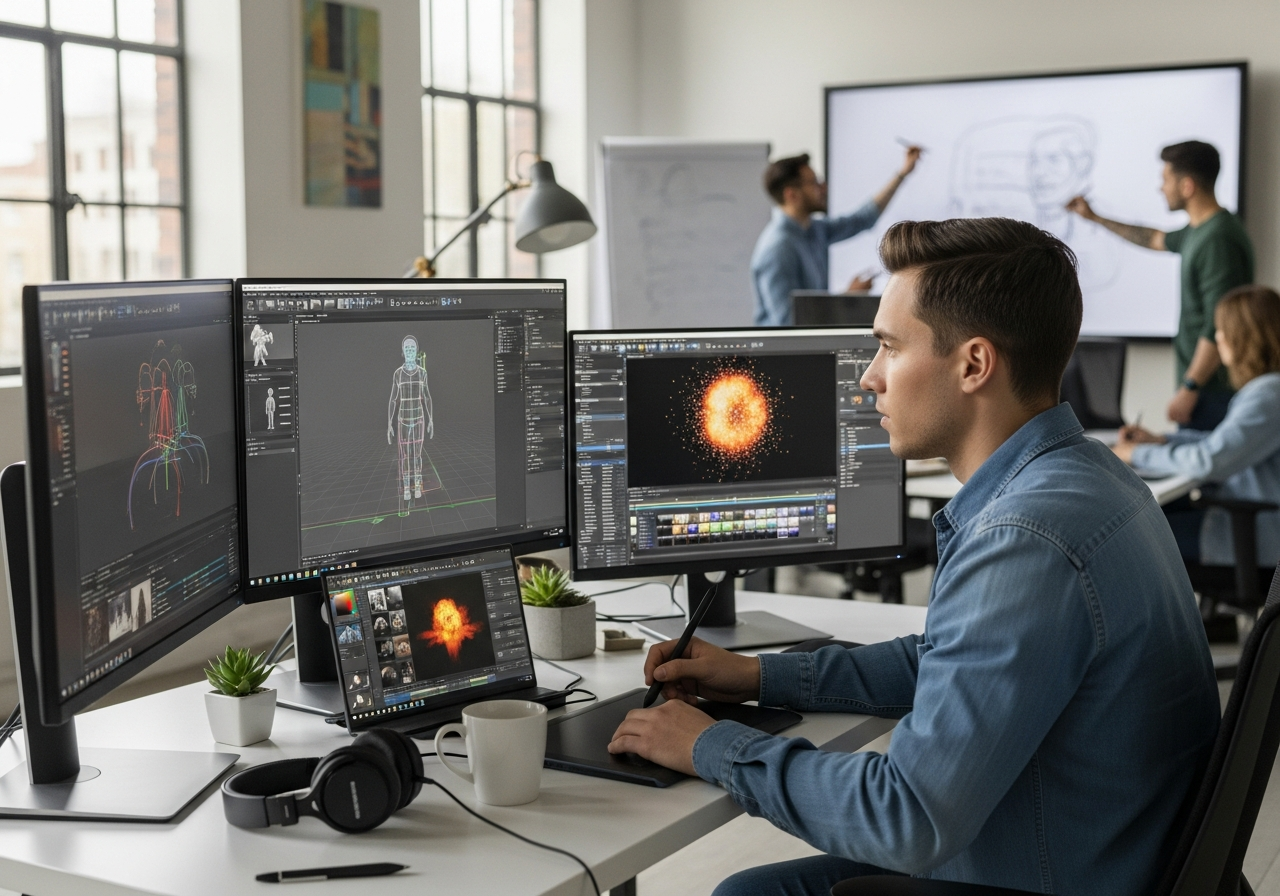
Breaking into Canada’s visual effects industry requires more than academic knowledge—it demands hands-on experience with studio pipelines that power blockbuster films and AAA games. Toronto has emerged as a key VFX hub, hosting industry giants like Sledgehammer Games and Sony Pictures Imageworks, offering aspiring artists direct access to professional-grade projects and mentorship opportunities.
These paid, 12-week internships bridge the gap between classroom theory and real-world production demands. Students work with industry-standard tools like Maya and Unreal Engine while adapting to collaborative workflows that define modern VFX studios. Most programs require in-person participation and relocation readiness, reflecting the industry’s emphasis on team-based creative processes that can’t be replicated remotely.
Eligibility and Application Requirements
Canadian VFX internships target students graduating between 2026-2027, focusing on those who demonstrate both technical proficiency and collaborative mindset. Programs prioritize candidates who show learning agility and can adapt quickly to studio-specific workflows, as internship periods are intensive and fast-paced.
Portfolio submission is mandatory across all major studios, serving as the primary evaluation criterion alongside academic transcripts. Applicants must either hold Canadian residency or demonstrate clear relocation readiness, as studios rarely provide visa sponsorship for internship positions.
- Current enrollment in accredited VFX, animation, or game design program
- Graduation timeline between 2026-2027 academic years
- Professional portfolio showcasing real-time effects and technical skills
- Canadian citizenship, permanent residency, or valid work authorization
- Demonstrated teamwork experience through group projects or collaborations
- Proficiency in at least two industry-standard software packages
- Willingness to relocate within 150km radius of studio location
Building a Standout Portfolio
Your demo reel should showcase real-time effects work, particularly dynamic elements like fire simulations, fluid dynamics, and particle systems. Studios look for technical execution combined with artistic sensibility, demonstrating your ability to create visually compelling effects that serve storytelling purposes.
Essential software skills include Photoshop for texture work, Maya for modeling and animation, and either Unreal Engine or Unity for real-time implementation. Include breakdown reels showing your problem-solving process and technical approach to complex effects challenges.
Visa and Relocation Basics
All major Canadian VFX internships operate with strict in-person mandates, requiring daily studio attendance for collaborative work and mentorship sessions. Studios recognize relocation challenges by offering stipends for candidates moving more than 150km from their current residence.
International students should verify work authorization before applying, as most studios cannot provide visa sponsorship for temporary internship positions. Canadian citizenship or permanent residency significantly improves acceptance chances across all programs.
Internship Structure and Duration
Canadian VFX internships vary significantly in structure and duration, with major studios offering different approaches to hands-on training. Each program balances intensive skill development with real project contributions, ensuring interns gain practical experience while supporting ongoing productions.
| Studio/Listing | Duration | Hours/Week | Paid? | Location |
|---|---|---|---|---|
| Sledgehammer Games | 12 weeks | 40 hours | Yes | Toronto, ON |
| Sony Pictures Imageworks | 8 weeks | 40 hours | Yes | Vancouver, BC |
| Indeed Co-op Programs | 520 hours total | Flexible | Yes | Toronto, ON |
| Framestore | 10 weeks | 37.5 hours | Yes | Montreal, QC |
| Rocket Science VFX | 12 weeks | 40 hours | Yes | Toronto, ON |
Summer Timeline Expectations
Most VFX internships begin in mid-May, strategically aligned with academic break schedules to maximize student participation. This timing allows interns to contribute to summer blockbuster post-production cycles while studios benefit from additional talent during peak production periods.
Early application deadlines typically fall between January and March, requiring students to prepare portfolios during their final academic semester. Studios use this extended timeline to carefully review submissions and conduct multiple interview rounds with top candidates.
The mid-May start date also accommodates international students who need time for visa processing and relocation arrangements. Studios often provide orientation weeks to introduce interns to proprietary tools and workflow systems before full project integration begins.
Daily Life in the VFX Pipeline
VFX interns dive directly into real-time effects creation, working on dynamic elements like smoke simulations, explosion sequences, and environmental effects that bring digital worlds to life. Daily tasks involve iterating on particle systems, adjusting shader properties, and optimizing effects for real-time rendering performance.
Studio environments expose interns to the full production pipeline, from initial concept art review to final composite integration. Morning stand-up meetings establish daily priorities, while afternoon sessions focus on hands-on creation using both industry-standard and proprietary studio tools.
Collaboration defines the internship experience, as effects artists work closely with animators, lighters, and compositors to ensure seamless asset integration. Interns learn to balance creative vision with technical constraints, adapting effects work to meet performance requirements and artistic direction.
The fast-paced environment requires quick adaptation to feedback cycles and iterative workflows. Interns participate in daily reviews where supervisors provide direct feedback on work-in-progress shots, teaching industry-standard critique processes and professional communication skills essential for studio success.
Tools and Software Mastery
Canadian VFX internships provide comprehensive training on industry-essential software packages, combining foundational tools with cutting-edge real-time technology. Students gain proficiency in both creative and technical applications, preparing them for diverse career paths within the visual effects industry.
Mastering these tools requires understanding their interconnected workflows, as modern VFX production relies on seamless asset sharing between different software packages. Interns learn to optimize their creative processes while maintaining quality standards expected in professional production environments.
- Maya for advanced modeling, animation, and effects simulation workflows
- Photoshop for texture creation, matte painting, and concept development
- Houdini for procedural effects generation and complex simulation systems
- Unreal Engine or Unity for real-time rendering and interactive effect implementation
- Particle system optimization for performance-critical gaming applications
- Shader development for custom material creation and visual effect enhancement
Key Roles and Responsibilities
VFX internships span multiple specialized disciplines, each requiring distinct skill sets and creative approaches. Interns typically rotate through different departments or focus intensively on one area based on their portfolio strengths and career interests.
| Role | Core Tasks | Required Skills |
|---|---|---|
| VFX Artist (Real-time) | Fire, smoke, explosion effects for gaming | Unreal/Unity, particle systems, optimization |
| Compositor | 2D/3D element integration and final compositing | Nuke, After Effects, color theory |
| Technical Artist | Pipeline development and tool creation | Houdini, Python scripting, MEL |
| Lighting Artist | Scene illumination and atmosphere creation | Maya, Arnold, lighting principles |
| Motion Graphics Designer | UI animations and graphic element creation | After Effects, Cinema 4D, design theory |
| Environment Artist | Digital set extension and world building | Maya, Substance Suite, photogrammetry |
| Simulation Specialist | Fluid, cloth, and destruction simulations | Houdini, physics principles, optimization |
Team Collaboration Dynamics
VFX production relies heavily on collaborative workflows where interns learn to prioritize tasks based on project deadlines and technical dependencies. Daily standups and review sessions teach professional communication skills essential for providing constructive feedback and receiving direction from senior artists.
Team contributions extend beyond individual assignments, as interns participate in knowledge sharing sessions and cross-departmental projects that mirror real production challenges. This collaborative approach builds industry connections while developing the interpersonal skills that distinguish successful VFX professionals.
Top Canadian VFX Hubs and Studios
Canada’s VFX industry centers around three major metropolitan areas, each offering unique advantages for aspiring visual effects artists. Government incentives and tax credits have attracted international studios, creating diverse opportunities for interns to work on high-profile film and gaming projects.
These regional hubs provide different specializations and studio cultures, allowing interns to find environments that match their career goals and creative interests. The concentration of multiple studios within each city creates networking opportunities and potential career mobility after internship completion.
- Toronto – Sledgehammer Games, Rocket Science VFX, and emerging gaming studios
- Vancouver – Sony Pictures Imageworks, Industrial Light & Magic, and major film productions
- Montreal – Framestore, Ubisoft, and French-Canadian co-productions
- Calgary – Growing animation and VFX sector with government support initiatives
- Halifax – Emerging hub for independent studios and digital media startups
- Ottawa – Government-supported digital media programs and educational partnerships
Studio-Specific Perks
Major studios offer comprehensive support packages including relocation stipends ranging from $2,000 to $5,000 for candidates moving significant distances. Many provide temporary housing assistance or partnerships with local accommodations to ease the transition for out-of-province interns.
Portfolio credit opportunities vary by studio, with some allowing interns to include professional work in their demo reels upon program completion. These credits prove invaluable for future job applications, as they demonstrate ability to contribute to released commercial projects under professional supervision.
Challenges, Growth, and Next Steps
VFX internships present both significant opportunities and notable challenges that require careful preparation and realistic expectations. Understanding these dynamics helps prospective interns make informed decisions about program selection and career planning.
Success requires balancing technical skill development with professional relationship building, as both factors contribute equally to long-term career advancement. The intensive nature of these programs demands commitment but provides accelerated learning opportunities unavailable in traditional academic settings.
| Pros | Cons | Mitigation |
|---|---|---|
| Direct industry mentorship | High housing costs in Toronto/Vancouver | Apply for relocation stipends early |
| Work on AAA game/film projects | Full-time schedule intensity | Develop time management skills |
| Professional portfolio development | Steep learning curve for proprietary tools | Practice adaptability and ask questions |
| Networking with industry professionals | Limited positions, high competition | Apply to multiple programs strategically |
| Paid experience with competitive wages | Temporary nature of position | Focus on skill building and connections |
| Exposure to cutting-edge technology | Potential for long working hours during crunch | Maintain work-life balance awareness |
| Real-world production experience | Fast-paced environment pressure | Build stress management strategies |
| Potential full-time job opportunities | Need for continuous skill updates | Commit to lifelong learning mindset |
Post-Internship Career Boost
Completing a Canadian VFX internship significantly enhances career prospects, with many graduates receiving full-time offers from their host studios or securing positions at partner companies. The professional portfolio work and industry references gained during internships open doors that remain closed to purely academic candidates.
Networking relationships built during internships often prove more valuable than the technical skills learned, as the VFX industry relies heavily on personal recommendations and professional relationships. Maintaining connections with mentors and fellow interns creates a support network that spans the entire industry.
Toronto’s position as a growing VFX hub provides particular advantages for career development, with multiple studios competing for talent and offering diverse project opportunities. The city’s proximity to both American markets and European co-productions creates unique career paths unavailable in other locations.
Application Success Tips
Successful VFX internship applications combine strong demo reels with evidence of problem-solving abilities and creative thinking under pressure. Studios value candidates who demonstrate initiative and adaptability alongside technical proficiency, as these qualities translate directly to production environment success.
Resume presentation should highlight collaborative projects and leadership experiences that complement technical skills, showing studios that candidates understand the teamwork essential to professional VFX production. Clear communication of career goals and studio-specific interest demonstrates serious commitment to the industry.